

Humsaaye Exhibition 2025: Reimagining South Asia Through Collaborative Art and Education
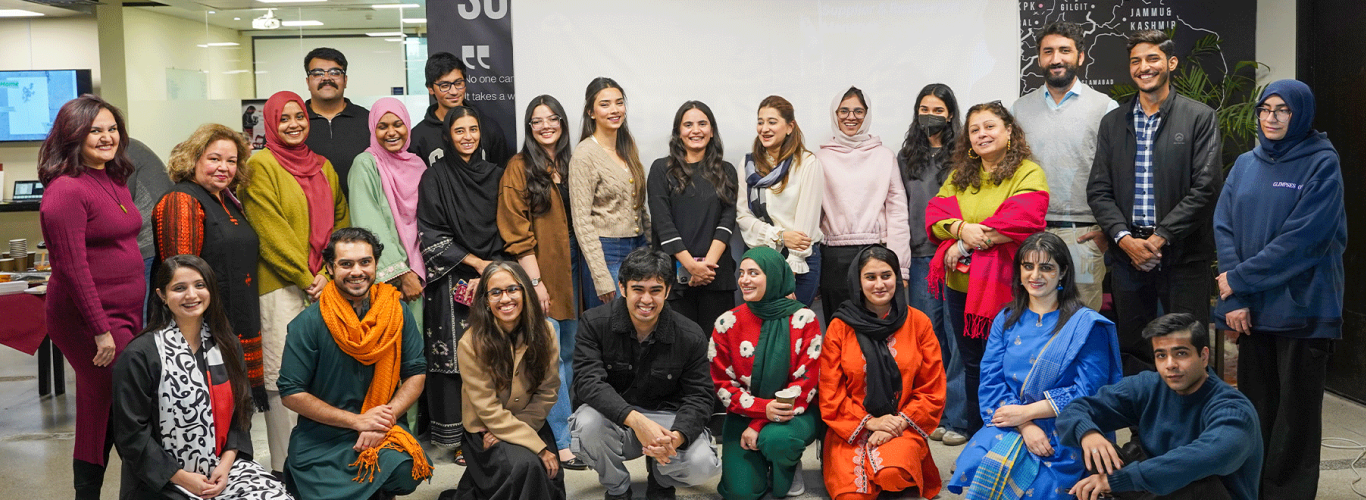


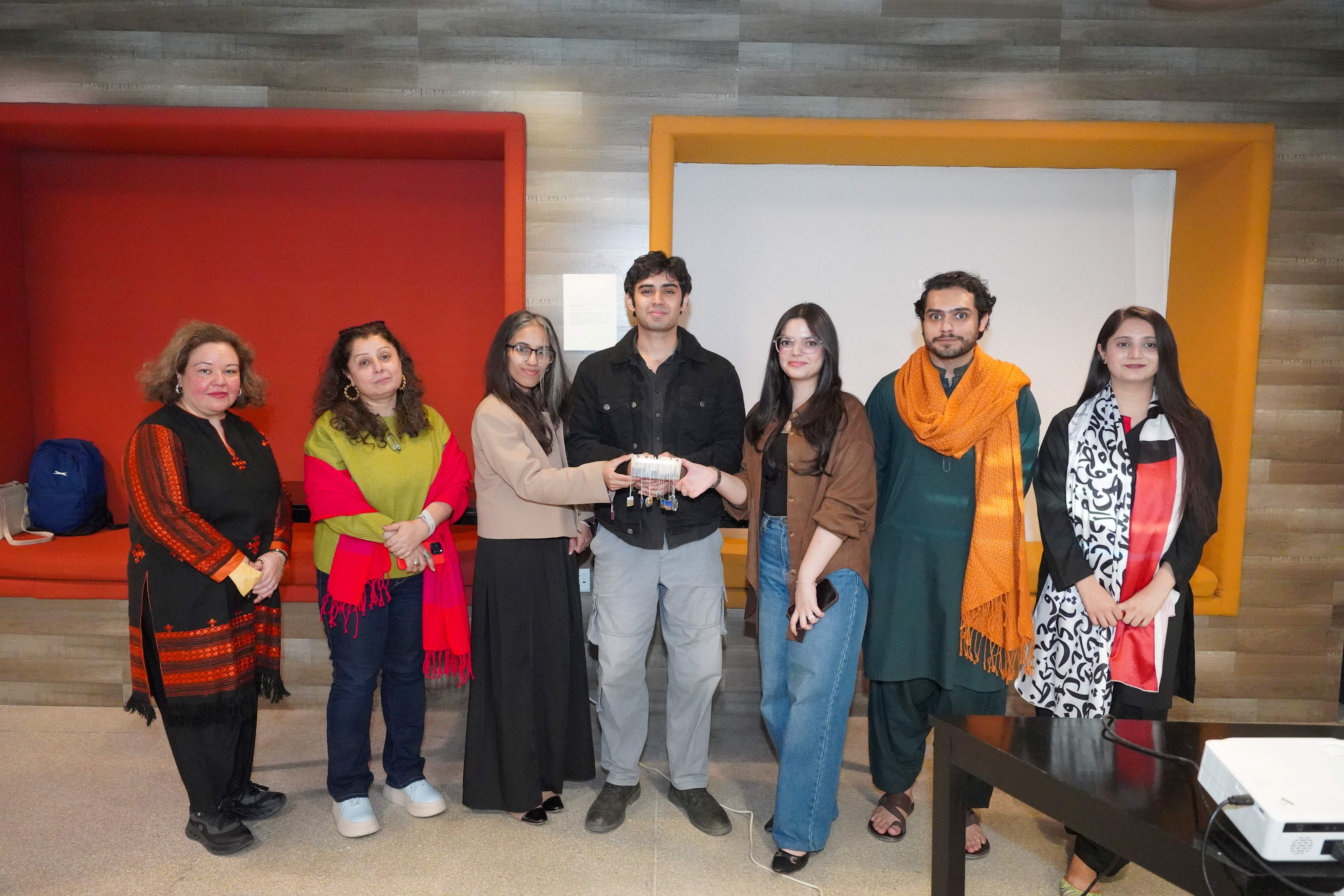
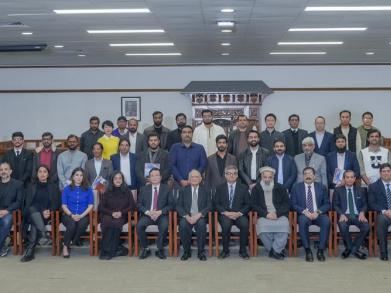
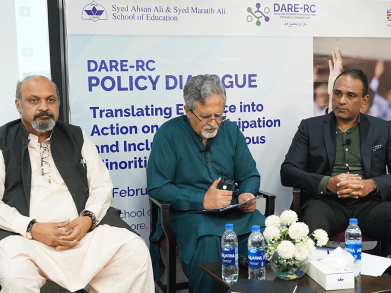
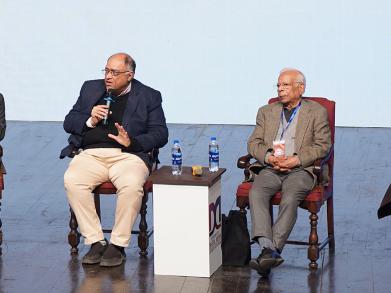
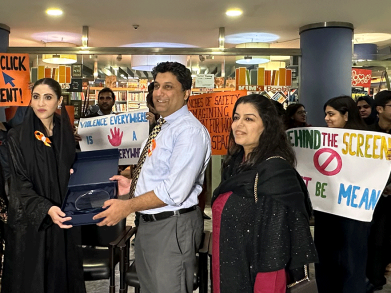
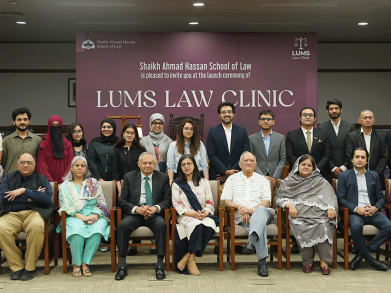
The Syed Ahsan Ali and Syed Maratib Ali School of Education (SOE) at LUMS hosted the Humsaaye Exhibition on December 10, celebrating the spirit of kinship, regional connection, and creative collaboration.
ہمسایہ ماں جایا, expressed in Punjabi as hamsaaya ma jaaya, is an expression of warmth and deep affection that captures the spirit of shared belonging. Literally meaning “neighbors born of the same mother,” it reminds us that the mother here symbolises land, a connection that links regional and cultural siblings. In Urdu and Persian, ہمسایہ or ham saaya can also mean “our shadows,” a reflection of how South Asian communities have, for centuries, been one another’s shadows, companions, and confidantes.

The event showcased the final projects of EDU 529/425: South Asia From the Margins: Culture and Art Education Across Distant Neighbors, offered at SOE in Fall 2025. Over eight weeks, students worked with peers and young creative professionals from Afghanistan, Bangladesh, Bhutan, India, Nepal, and Sri Lanka, connecting through Zoom, online ideation spaces, and WhatsApp collaborations.
The exhibition featured short films, archival projects, podcasts, and multimedia works that explored inclusion, exclusion, equity, dignity, diversity, conflict, migration, trauma, indigenous knowledge, local ecologies, and the everyday culture of life. Visitors engaged with creative outcomes that emerged from cross-border dialogue, reflecting students' efforts to reconnect with a region historically porous, syncretic, and culturally intertwined.
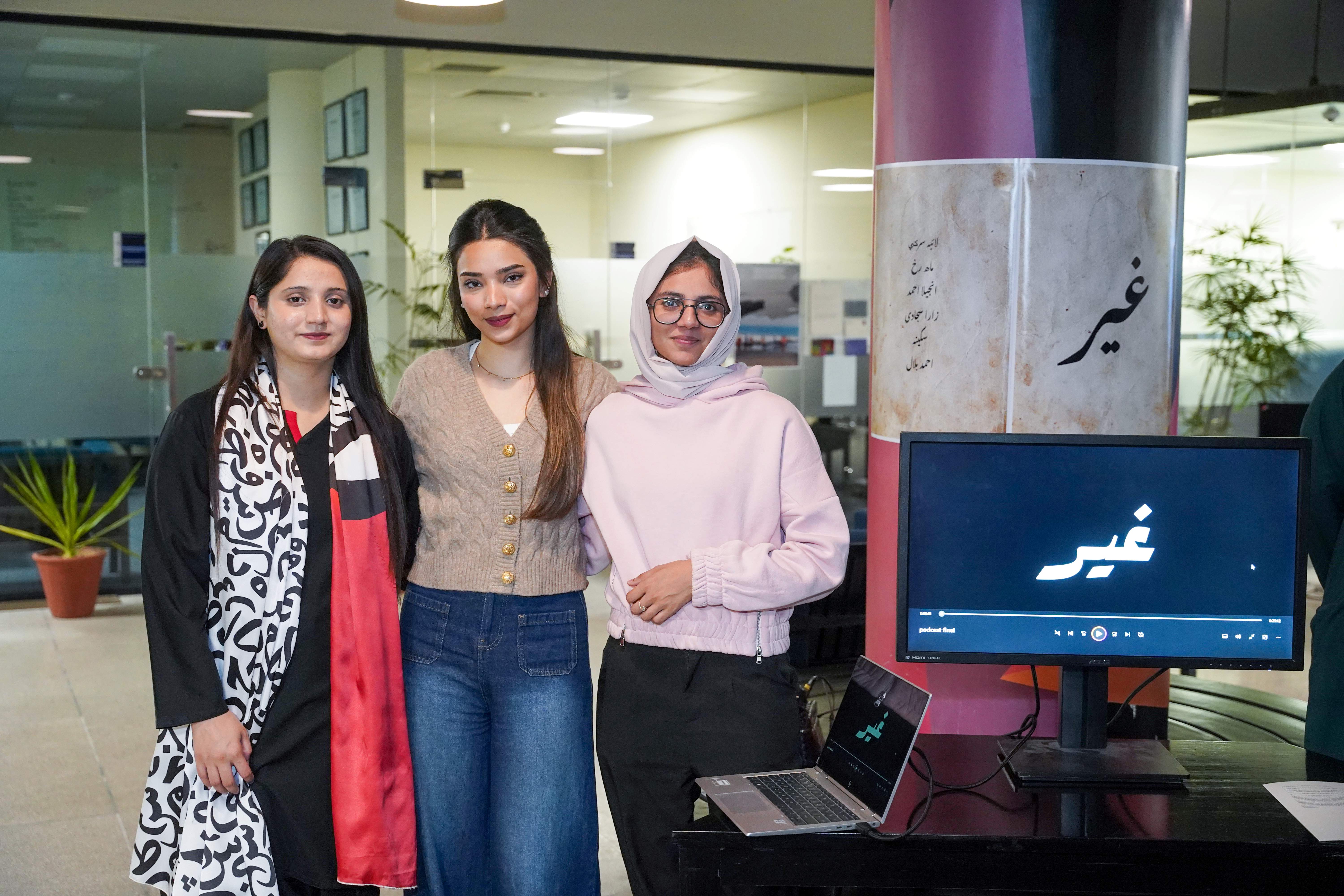
The projects touched on themes such as the social life of everyday objects, literature in conflict, compassion across borders, migration, everyday ecology, femininity and archives, indigenous practices, and experiences of othering and prejudice. Students from LUMS worked closely with peers in Bhutan, Sri Lanka, Nepal, Bangladesh, and India to explore these shared questions, forming creative partnerships that blended personal stories, cultural memory, and artistic interpretation.
Through this collaboration, students formed friendships and creative kinships, reimagining South Asia not as divided nations but as creative neighbors. The event offered a glimpse of what the region once was and what it can still become, highlighting the possibilities of a pedagogy that builds connection across borders.

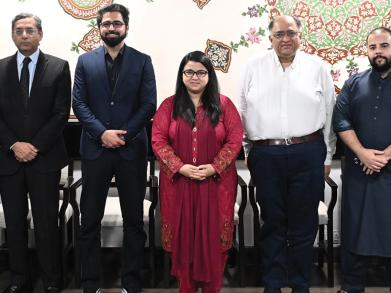
The course was led by Masooma Syed and Dr. Razia I. Sadik, supported by teaching team members Aiman Tahir, Bilal Ahmed Lone, and Nusrat Baquee. They shared, “As instructors, it gives us immense joy to see this small relational opening evolve in an ever-closing regional culturescape. It showed us what the region once was and can still become. For us, this was in some ways a glimpse into what a pedagogy of possibility might mean.”