

LUMS and American Business Forum Host 'Reset: Re-imagining Reform, Growth and Competitiveness'
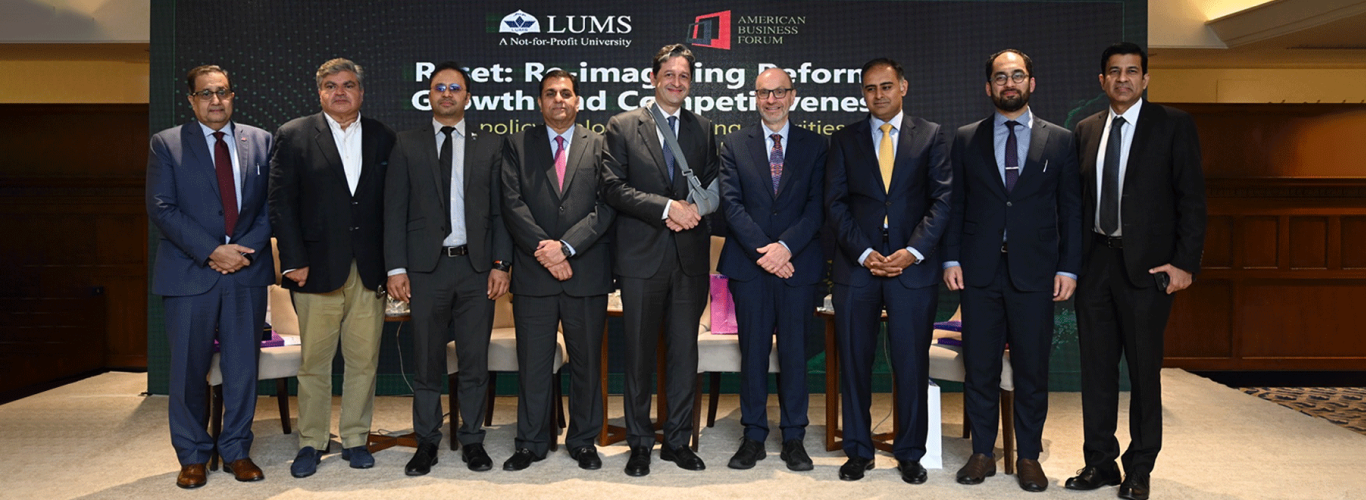


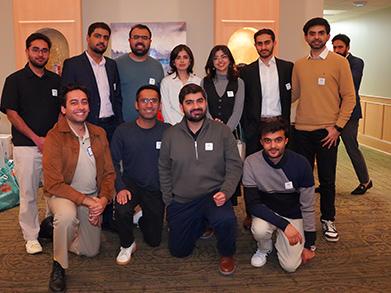
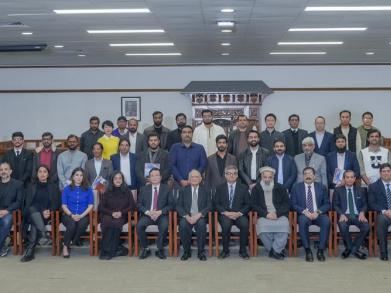
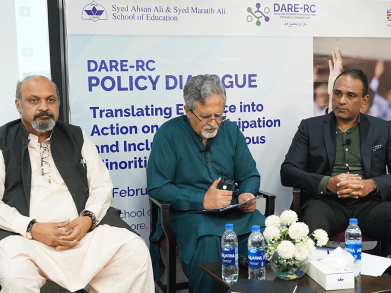
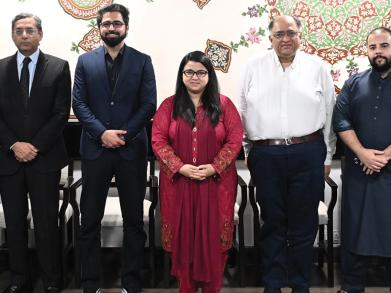
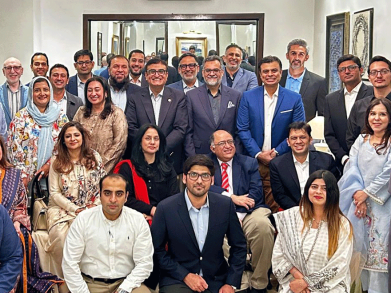
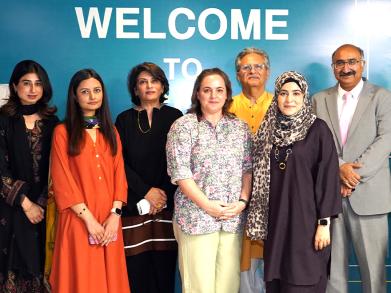
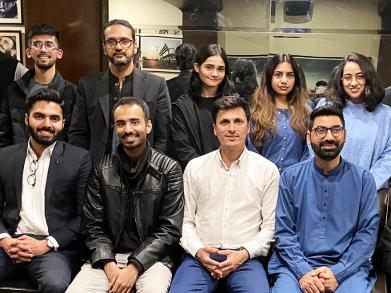
On February 15, LUMS and the American Business Forum (ABF) co-hosted a high-level policy dialogue in Islamabad, bringing together senior government officials, business leaders, and academics for a candid conversation on Pakistan's economic priorities ahead of the national budget.
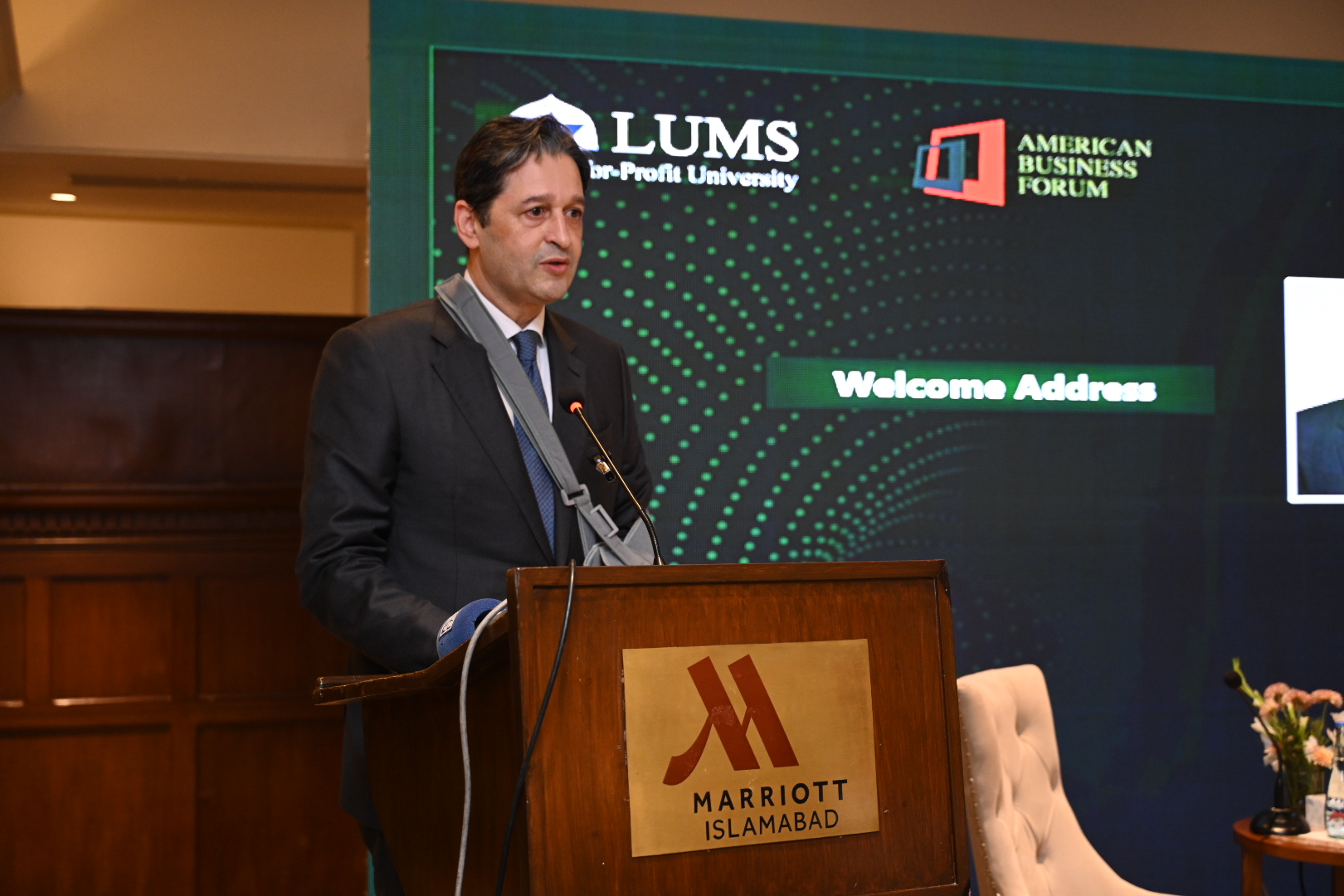
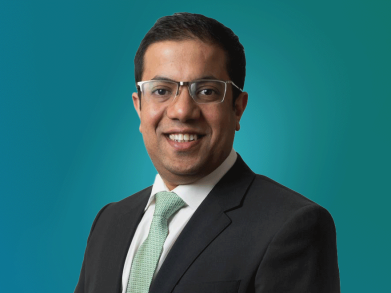
Mr. Osman Khalid Waheed, President of ABF and Member of the LUMS Board of Trustees, extended a warm welcome to the participants. The ABF's partnership with LUMS on this series of engagements, he explained, is intended to help build "a larger collective nudge towards serious long-term reform in Pakistan."
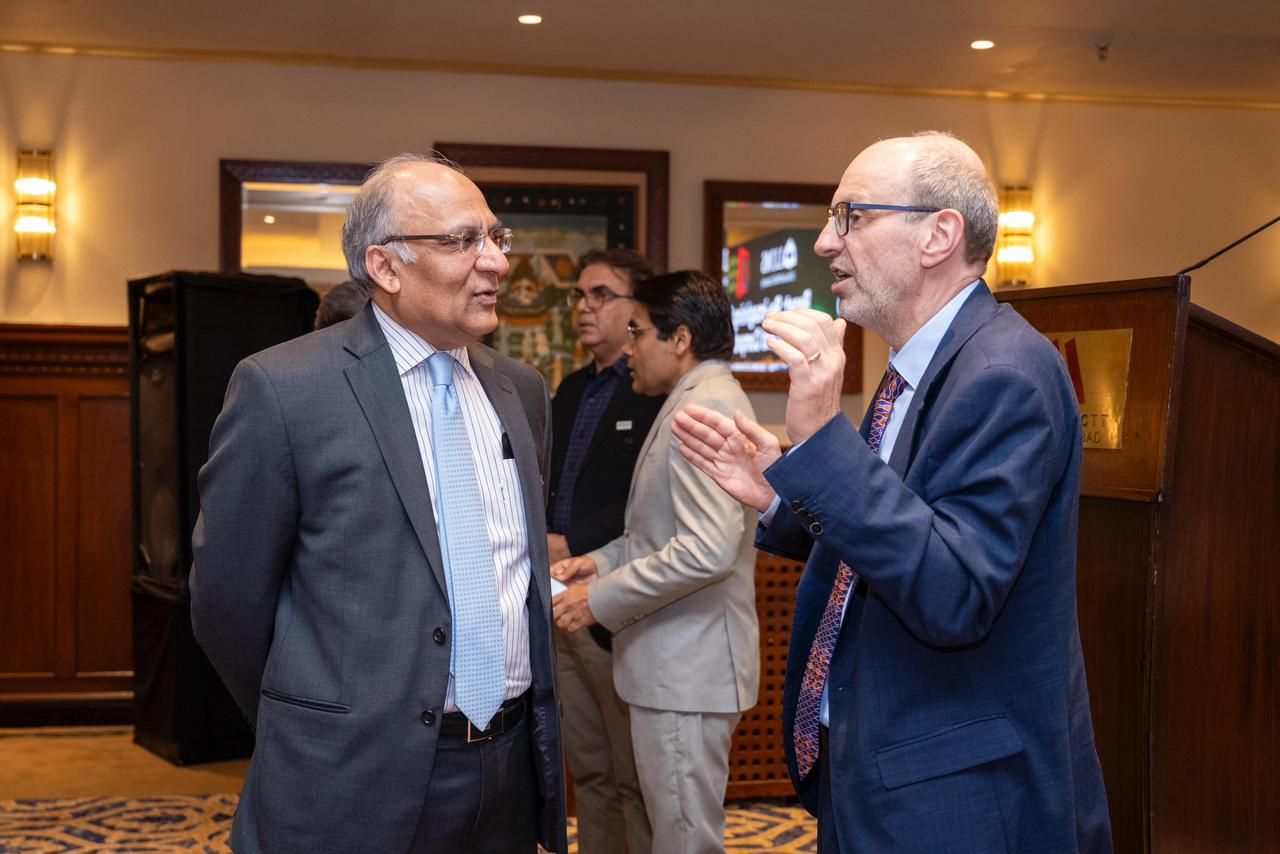
The keynote address was delivered by Dr. Stefan Dercon, Professor of Economic Policy at the University of Oxford. He drew on decades of comparative research and noted, "In the last 35 years, productivity growth in Pakistan has been one-tenth of what Vietnam has achieved." Dr. Dercon cautioned that without structural change, the economy risks hitting growth ceilings that would trigger balance of payments crises. He emphasised that export growth is crucial for Pakistan's and warned against across-the-board fiscal stimulus as a substitute for deeper reform. Drawing on the experience of countries that successfully transformed their economies, he argued for policy consistency and for coalition-building among government, business, and other stakeholders to enable the long-term structural reforms the economy requires.


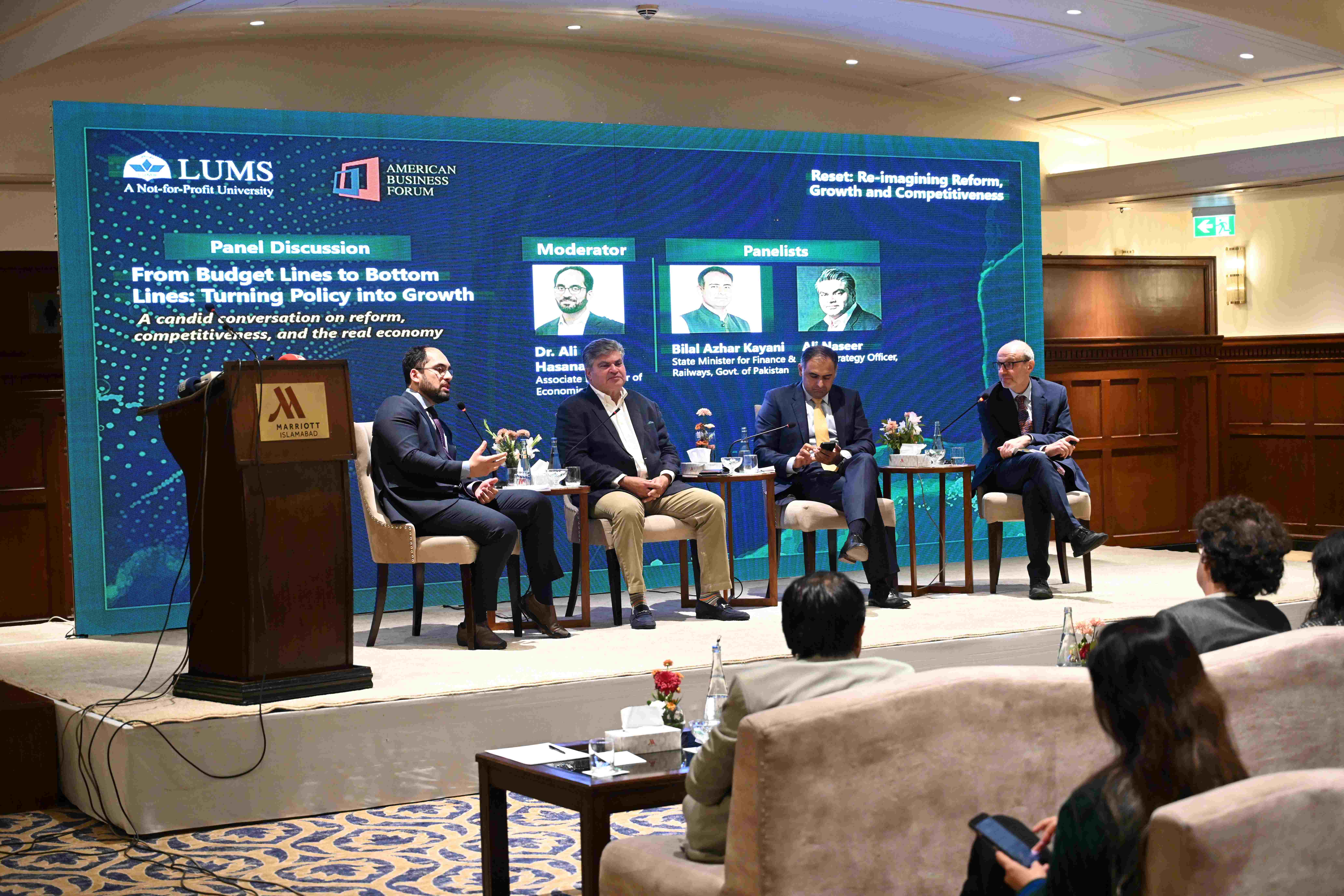
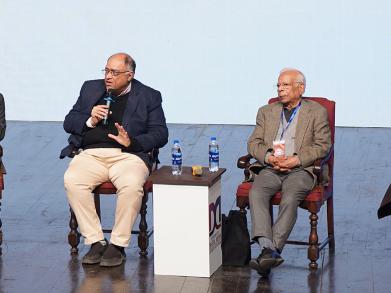
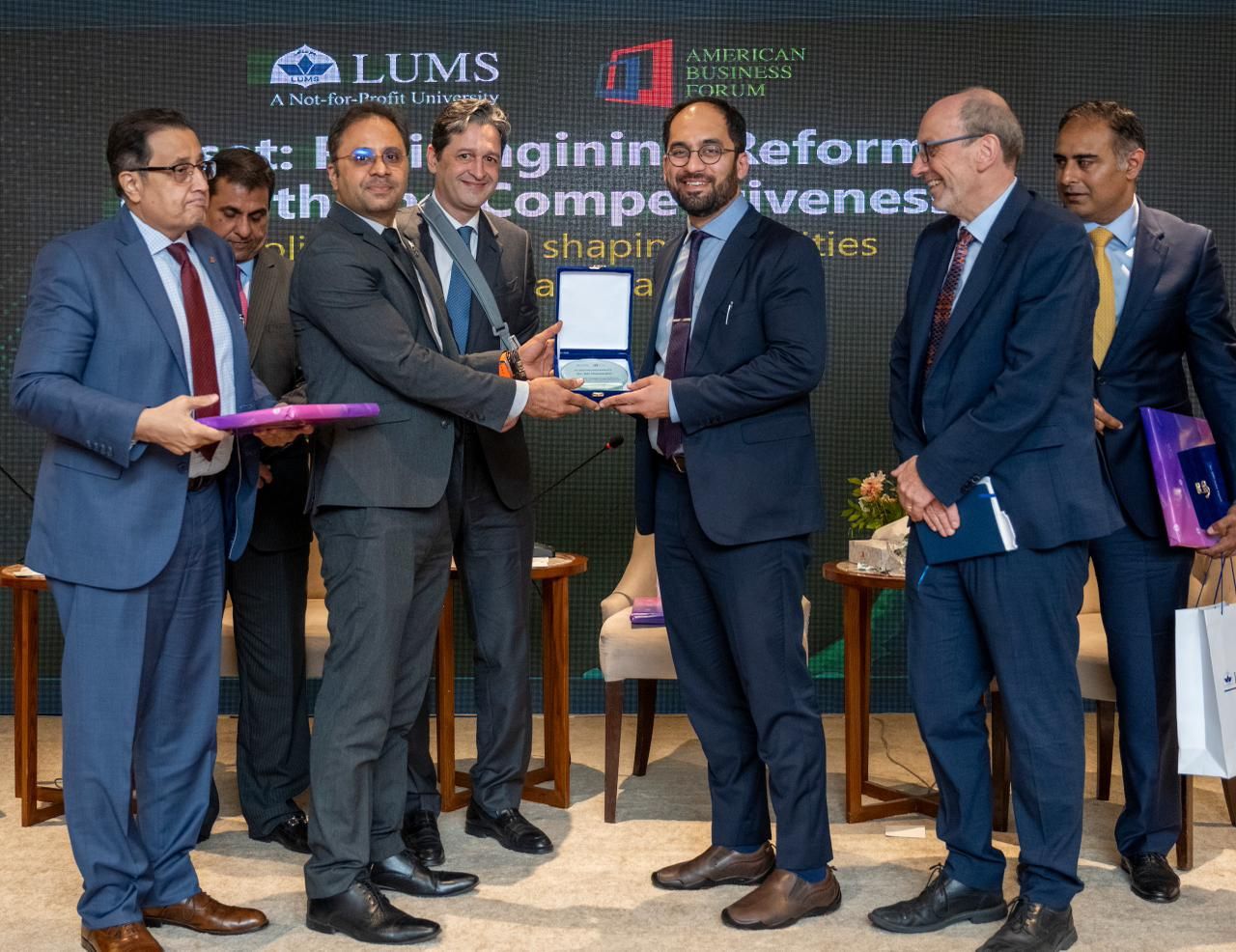
A panel discussion titled "From Budget Lines to Bottom Lines: Turning Policy into Growth" brought together Mr. Bilal Azhar Kayani, State Minister for Finance and Railways; Mr. Ali Naseer, Chief Strategy Officer at Jazz; and Dr. Dercon, moderated by Dr. Ali Hasanain, Associate Professor of Economics at LUMS. The conversation moved between tariff reform, industrial policy, the case for policy consistency, and the conditions under which structural change becomes politically possible. Minister Kayani spoke to the government's commitment to the national tariff policy and the importance of reducing its footprint in the economy. Mr. Naseer drew on his experience across both the public and private sectors to argue for digital infrastructure as one of Pakistan's most credible growth levers.
Dr. Dercon closed with a note on coalition-building, "Let's find ways of working together, business associations, academics, and others, to sensible reforms that are feasible in the short run, and that can deliver over time structural reforms."
For LUMS, this conversation represents a commitment to creating platforms where evidence, experience, and policy can meet. This is the first in a series of such engagements, and the university looks forward to continuing this conversation with partners, practitioners, and the broader alumni community in the months ahead.