

10th Abdus Salam Memorial Lecture: Superconductors, Black Holes, and Quantum Matter
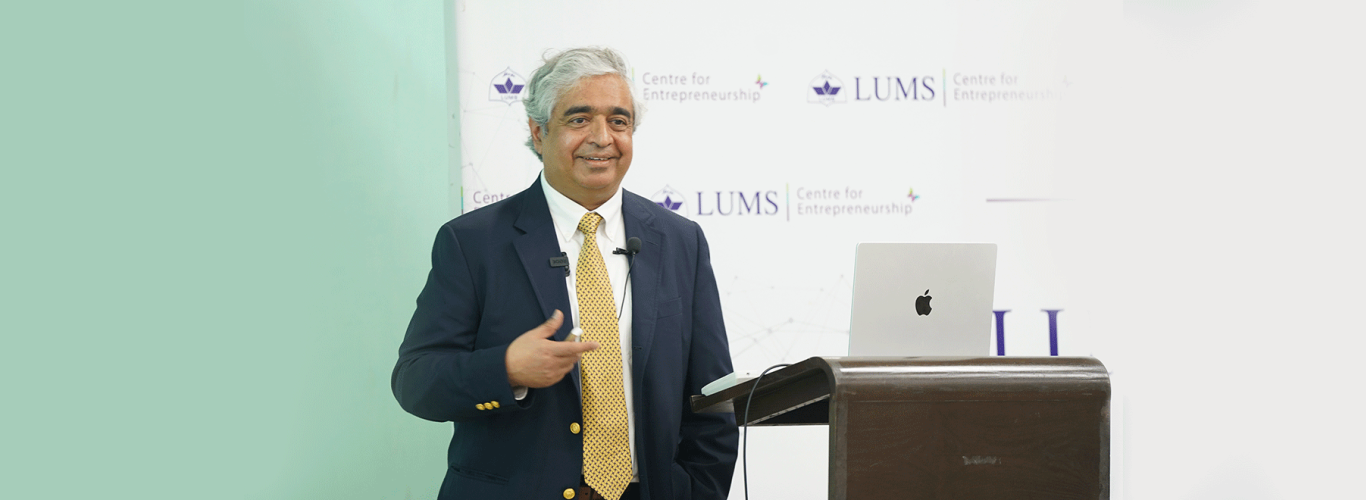


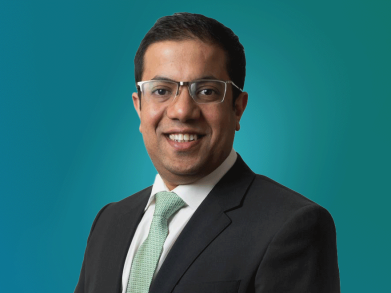
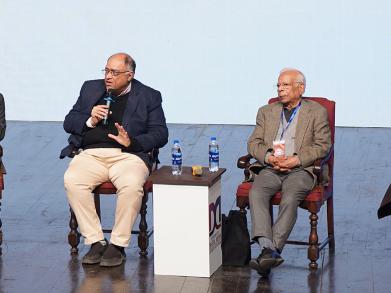
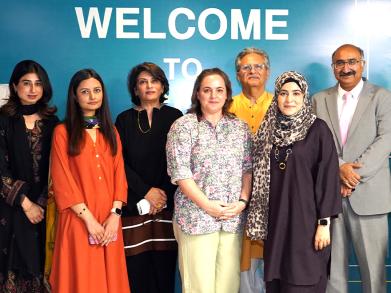
On April 7, the Syed Babar Ali School of Science and Engineering at LUMS hosted the 10th Abdus Salam Memorial Lecture. The annual series honours Professor Abdus Salam, one of Pakistan's most distinguished scientists, who was awarded the Nobel Prize in Physics in 1979. This year's lecture was delivered by Professor Subir Sachdev, Herchel Smith Professor of Physics at Harvard University, and one of the most influential theoretical physicists of his generation.
Professor Sachdev opened with a personal note, describing a visit to the preserved study of Professor Abdus Salam in London, where he was able to see Dr. Salam's notebooks. It was a fitting start to a lecture that, in its own way, continued in that spirit: asking fundamental questions about how the physical world behaves at its smallest scales.
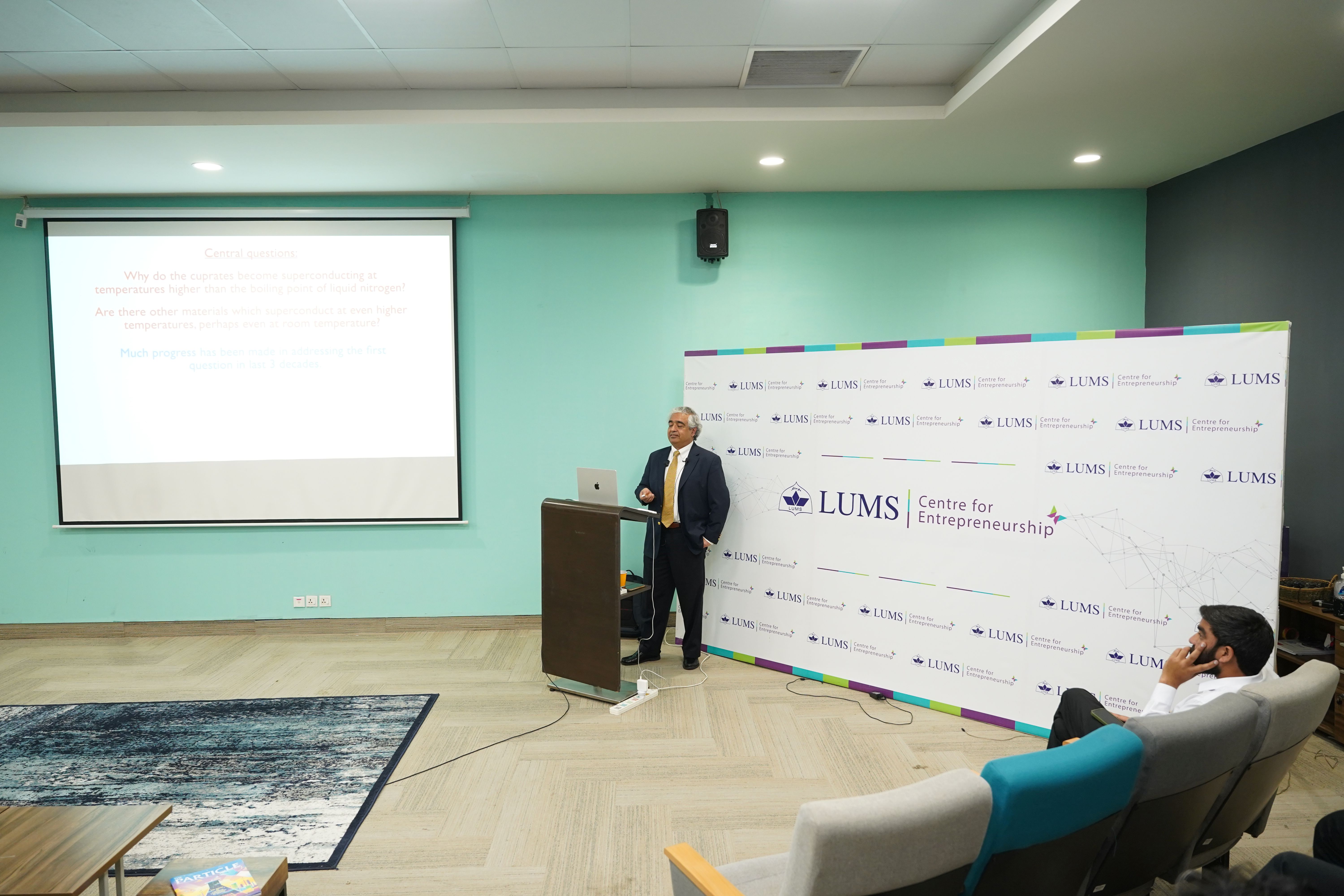
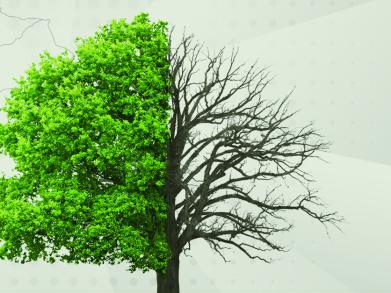
The lecture centred around high-temperature superconductivity, a phenomenon discovered in 1986 in a class of materials called cuprates. Unlike conventional superconductors, cuprates superconduct at much higher temperatures, and long wires of these materials are already being used in applications around the world.
Professor Sachdev argued that quantum entanglement is likely central to understanding why. In cuprates, electrons cannot be treated as independent of one another, and understanding their collective behaviour requires grappling with entanglement across an infinite number of particles.
He then described how the same model, unexpectedly, also connects to the physics of black holes. The equations describing the horizon of a black hole, it turns out, can be derived from the same model, and are another form of the same entanglement. This connection has since been further developed by other physicists. Professor Sachdev noted that when he first developed the model, he had no idea it would have any bearing on black holes at all.
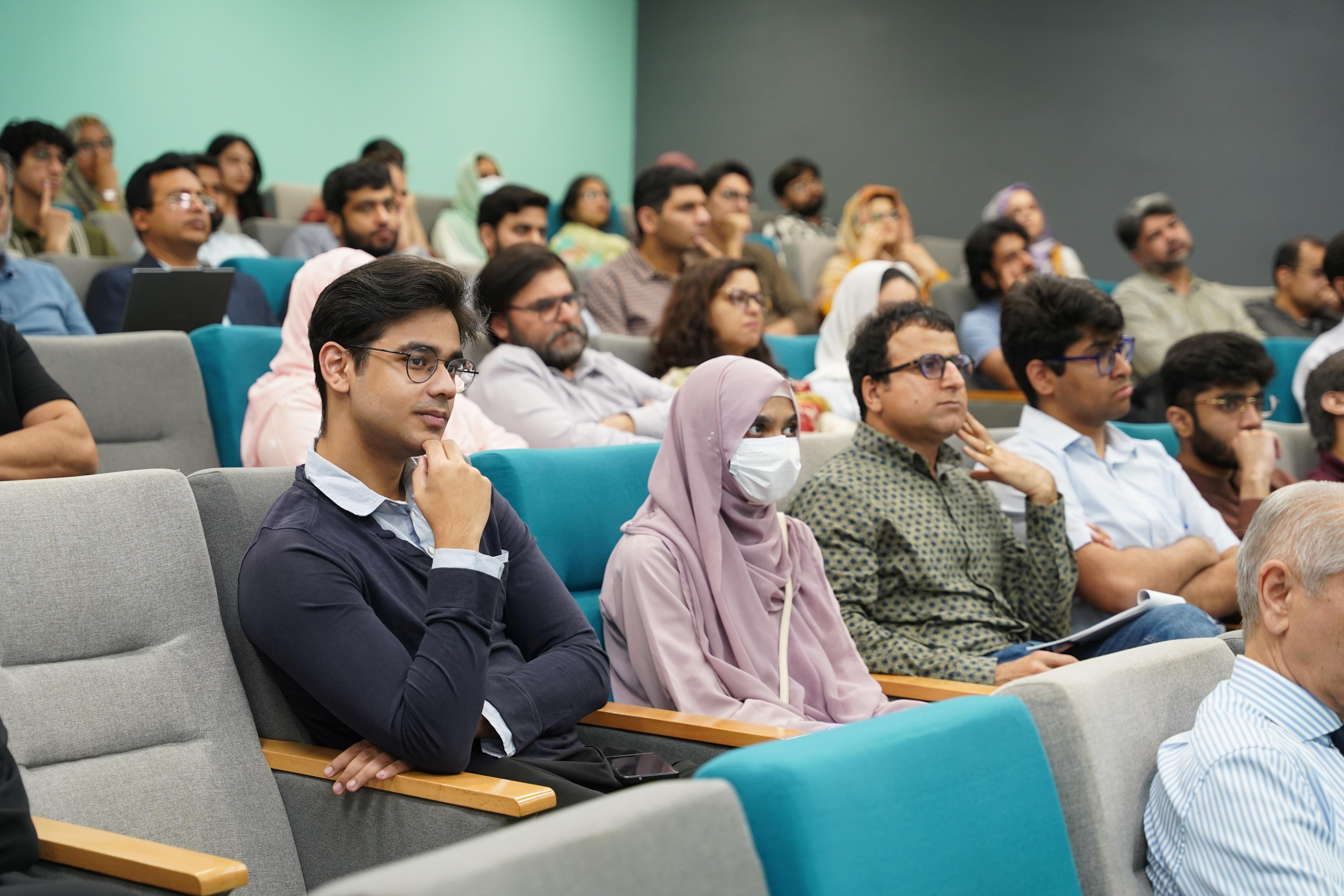
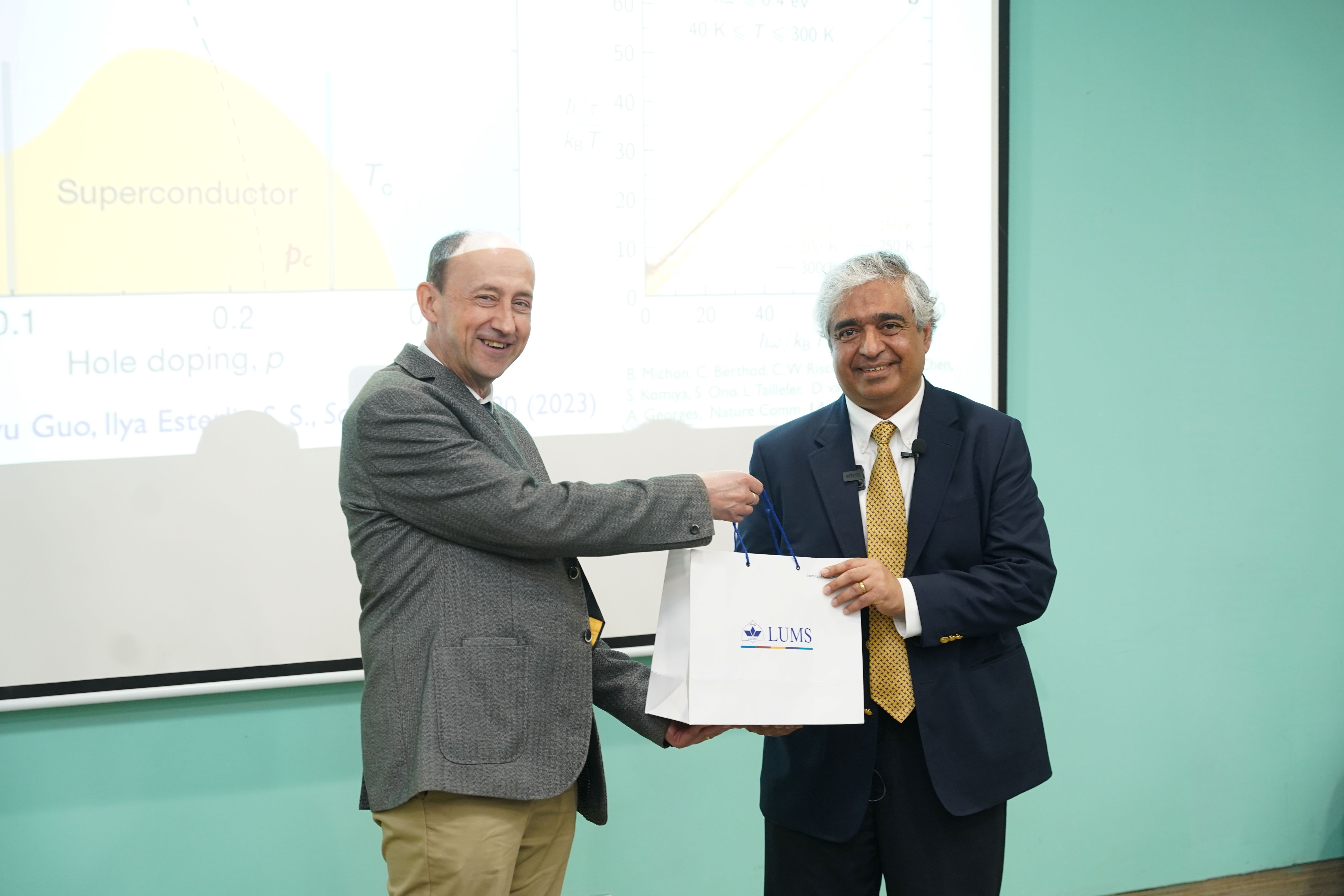
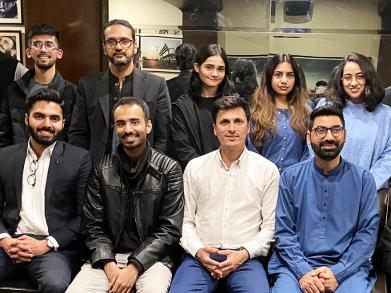
The lecture was followed by a wide-ranging discussion with the audience, covering the prospects for room-temperature superconductivity and the roles of disorder and impurities in quantum materials.
Now in its tenth year, the Abdus Salam Memorial Lecture series continues to bring leading scientists to LUMS and to celebrate the tradition of fundamental, curiosity-driven inquiry that defined Professor Salam's own life and work.